
Repeated Stranding Complicates Rescue of Humpback Whale on Germany’s Baltic Coast
Unexpected movement offers hope but creates new challenges for ongoing recovery operation
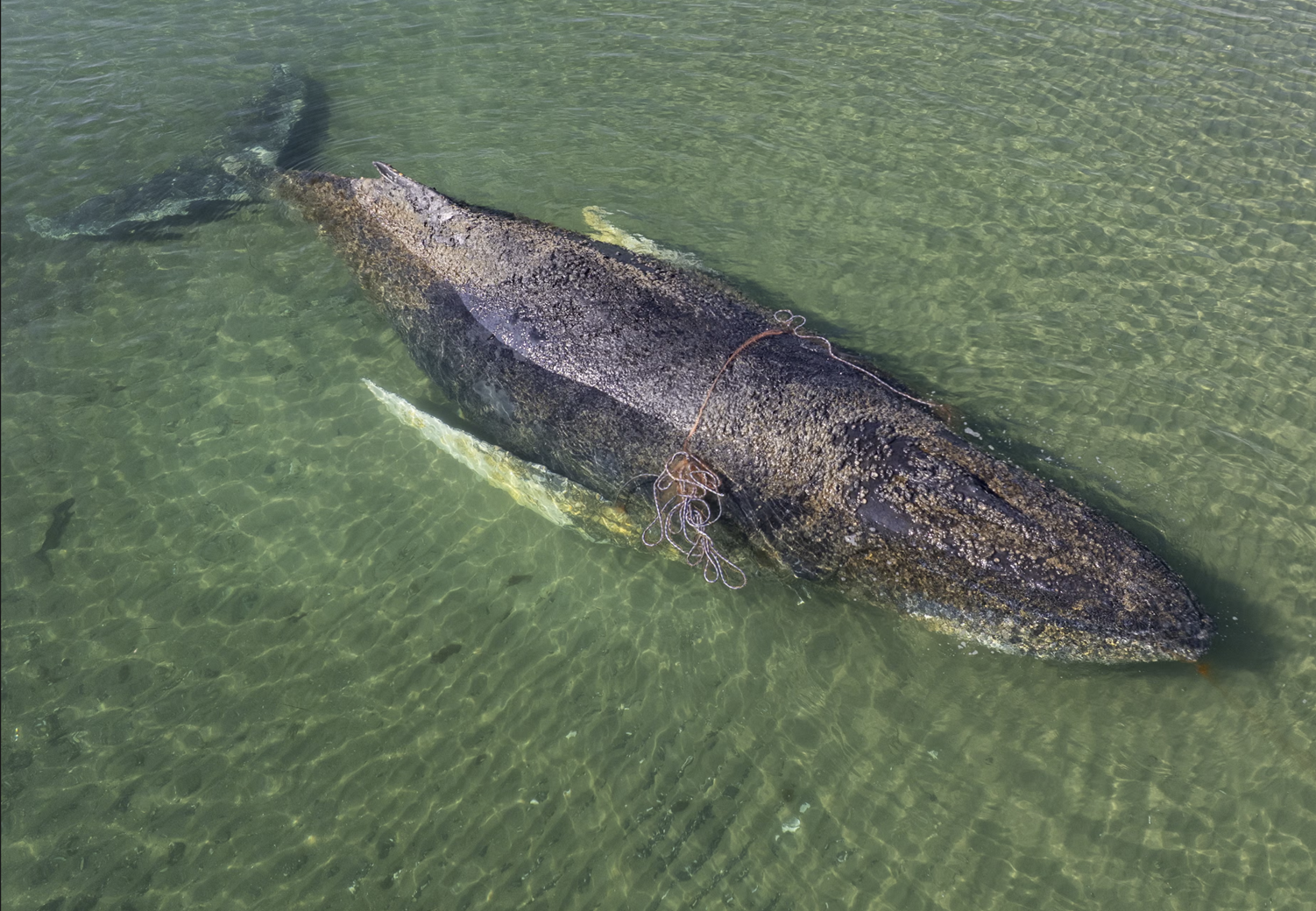
Who is Timmy the humpback whale in Germany?
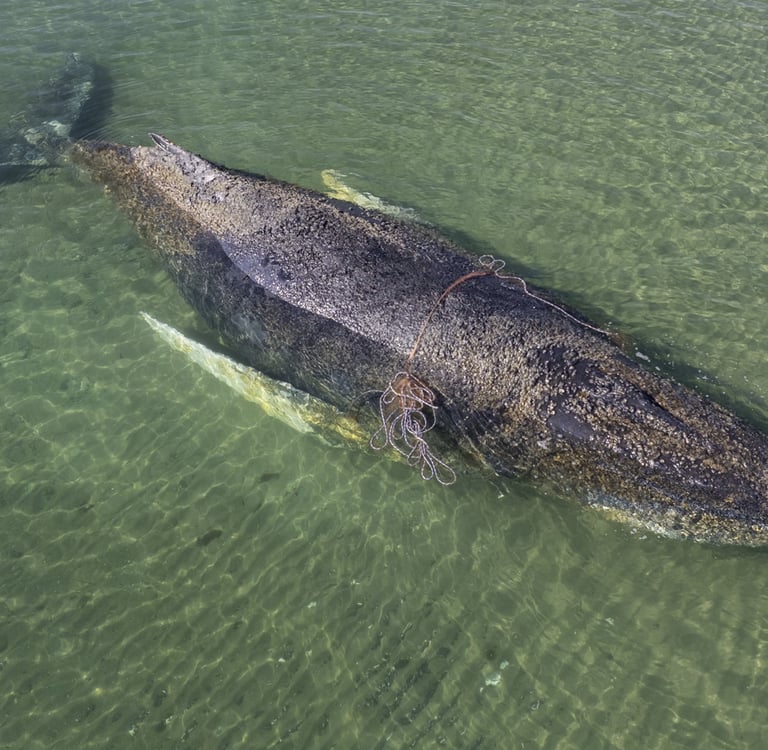
A humpback whale measuring approximately 13.5 metres, stranded for weeks along Germany’s Baltic coastline, briefly freed itself before becoming stuck again on a nearby sandbank. The incident occurred off the island of Poel, near Wismar, where rescue teams had been preparing a complex recovery operation (Bergungsaktion) involving specialised marine equipment. The animal’s repeated grounding highlights the unpredictable nature of shallow water navigation (Flachwassernavigation) for large marine mammals in enclosed seas like the Baltic.
Prior to the latest development, authorities had spent days clearing sand from around the whale’s position and arranging technical resources, including a tugboat and modular pontoons. The original plan involved lifting the whale from the seabed using inflatable lifting cushions (aufblasbare Hebekissen) and transporting it through controlled waters back toward the North Sea or even the Atlantic Ocean. Such marine relocation efforts (Meeresumsiedlungsmaßnahmen) are rarely attempted due to logistical complexity and the high risk of further injury to the animal.
Unexpectedly, the whale managed to swim free without assistance, an event interpreted by rescuers as a sign of remaining strength and partial recovery. However, the animal soon came to a halt again on a different sandbank, complicating the situation. According to regional environment minister Till Backhaus, the whale was not fully stranded this time but appeared to be “resting,” suggesting a temporary pause rather than a critical immobilisation (Bewegungsunfähigkeit).
The whale, informally referred to as “Timmy” by media outlets, has attracted widespread public attention. Its prolonged struggle has been closely followed across Germany, reflecting growing awareness around marine animal welfare (Meerestierschutz) and human intervention in wildlife crises. The animal was first spotted on 23 March near Lübeck, where it initially became trapped before freeing itself, only to encounter similar difficulties multiple times in the following weeks.
Earlier assessments had painted a far more pessimistic outlook. On 1 April, officials stated they believed the whale was severely injured and unlikely to survive, effectively ruling out successful intervention. This conclusion was based on observed physical condition and behavioural signs consistent with severe distress (schwere Belastung) in large cetaceans when trapped in restricted waters. However, this evaluation was later reconsidered after the whale demonstrated unexpected mobility.
A renewed rescue attempt was authorised following a proposal submitted by private entrepreneurs, including one associated with the founding of a major electronics retail chain. This initiative introduced new technical solutions aimed at improving the feasibility of the operation. The use of segmented pontoons and controlled buoyancy systems reflects evolving approaches in large-scale wildlife rescue engineering (großtechnische Tierrettungstechnik), though such methods remain experimental in real-world conditions.
Biologically, humpback whales are not adapted to shallow coastal environments like the Baltic Sea, which lacks the depth and salinity of their natural habitats. Disorientation, injury, or navigational errors can lead to repeated strandings, especially in areas with shifting sandbanks. Experts note that whales entering the Baltic face increased risks due to acoustic disorientation (akustische Desorientierung) and unfamiliar underwater topography.
Despite the setbacks, rescue teams remain cautiously optimistic. The whale’s ability to move independently suggests it retains a degree of physical resilience. Efforts are expected to continue, although each intervention carries inherent risks. As in previous cases of stranded cetaceans, the outcome will depend on a combination of environmental conditions, the animal’s health, and the precision of human response.
Key German Vocabulary
Bergungsaktion recovery operation
Flachwassernavigation shallow water navigation
aufblasbare Hebekissen inflatable lifting cushions
Meeresumsiedlungsmaßnahmen marine relocation efforts
Bewegungsunfähigkeit immobilisation
Meerestierschutz marine animal welfare
schwere Belastung severe distress
großtechnische Tierrettungstechnik large-scale wildlife rescue engineering
akustische Desorientierung acoustic disorientation
For requests or suggestions: info@learndeutsch.org
Learn the official language of Germany in 30 days thanks to the most complete Grammar, Vocabulary and Culture courses available. Start speaking German today!
© Copyright 2026 German Institute
Come visit Germany!